Makeup artist hygiene is one of the clearest signs that an artist is ready to work professionally. Clients may not know the difference between every brush shape or base formula, but they do notice clean hands, organised products, fresh disposables and a calm, hygienic setup.
For students, bridal makeup artists, fashion artists and travelling freelancers, hygiene is not a small detail. It protects clients, protects your reputation and makes your work feel more premium before the first product touches the skin. In practice, a clean kit tells people you are reliable, trained and serious about the job.
Why makeup artist hygiene matters
Professional makeup happens close to the skin, eyes and mouth. Therefore, the way you handle products, tools and surfaces has a direct effect on client comfort and trust.
In the UK, Habia is recognised by government as the Standard Setting Body for the hair, beauty, nails, spa and aesthetic sectors. That matters because professional beauty work is not only creative. It is also built around standards, safety and responsible practice.
The Health and Safety Executive also gives COSHH guidance for beauticians, including good hand care, ventilation, techniques that reduce contact with harmful substances, and personal protective equipment where needed. Although makeup artistry is not always treated like a clinical environment, professional artists still need disciplined working habits.
Clients notice your kit before your technique
A client often forms an opinion before they see the finished look. They notice whether your station looks organised, whether your brushes look clean, whether your products are wiped down and whether you use disposable tools around the eyes and lips.
This is especially true for brides. A bride may sit with you on one of the most photographed mornings of her life. If your kit looks chaotic, sticky or overused, it can create doubt, even if your artistry is strong.
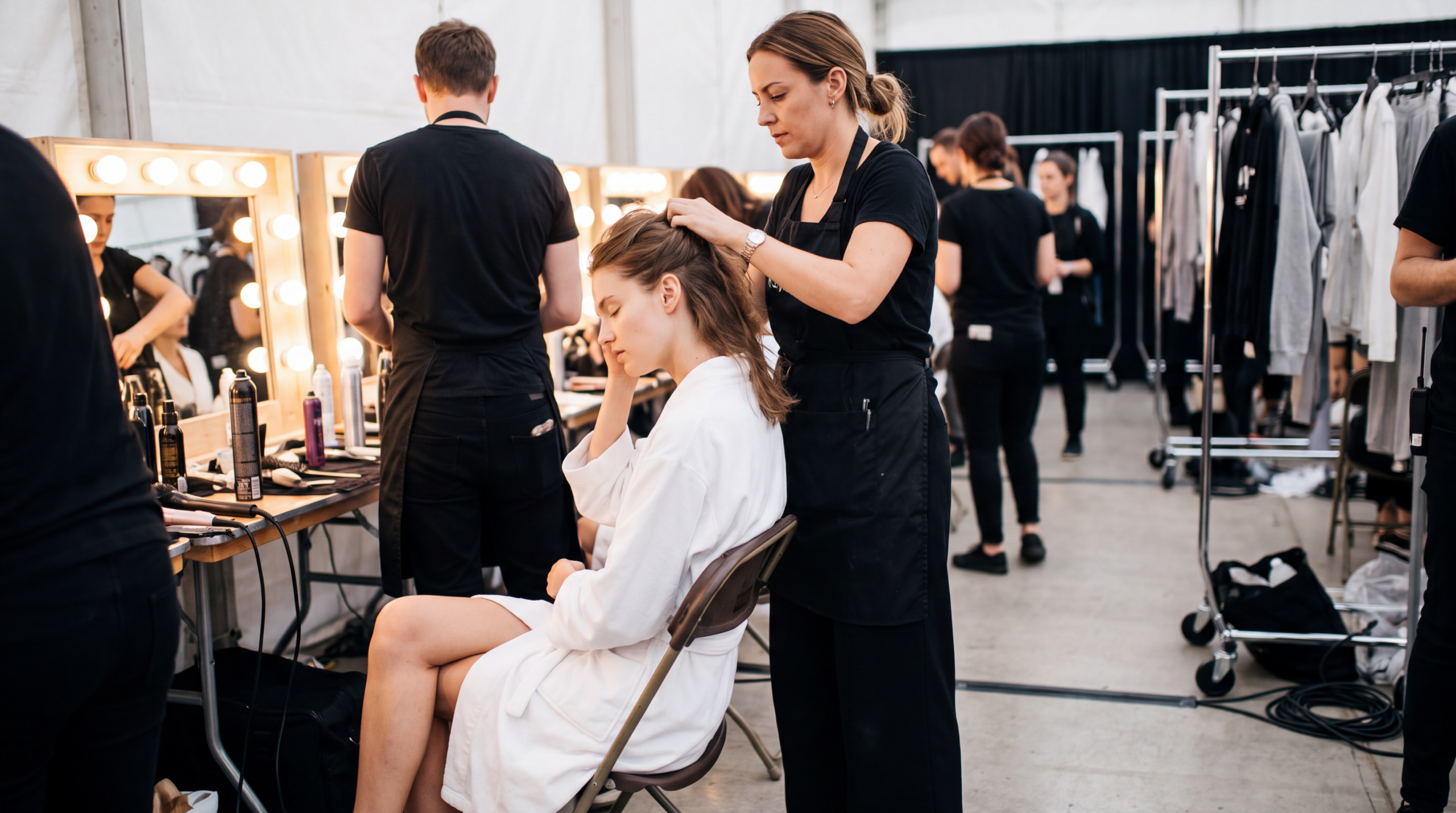
Similarly, on fashion shoots and backstage jobs, hygiene affects how confidently teams work with you. A clean, efficient kit helps you move quickly between faces without looking rushed or careless. As a result, good makeup kit hygiene becomes part of your professional identity.
Cleaning, sanitising and disinfecting, what is the difference?
Artists often use these words as if they mean the same thing. However, they are not identical.
Cleaning
Cleaning removes visible product, oil, dust and residue. For example, washing brushes with suitable brush cleanser and water is cleaning. Wiping down product packaging is also cleaning.
Sanitising
Sanitising reduces the number of germs on a surface. In a makeup kit, this may include sanitising hard surfaces, palette wells, sharpeners, metal tools and product packaging.
Disinfecting
Disinfecting targets a broader range of microbes and is usually used for hard, non-porous surfaces or tools. However, not every makeup product can be safely disinfected without damaging the formula. For this reason, professional artists should use clean tools, decant products and avoid direct contact wherever possible.
In practice, strong makeup artist hygiene means you understand when to clean, when to sanitise, when to replace and when to throw something away.
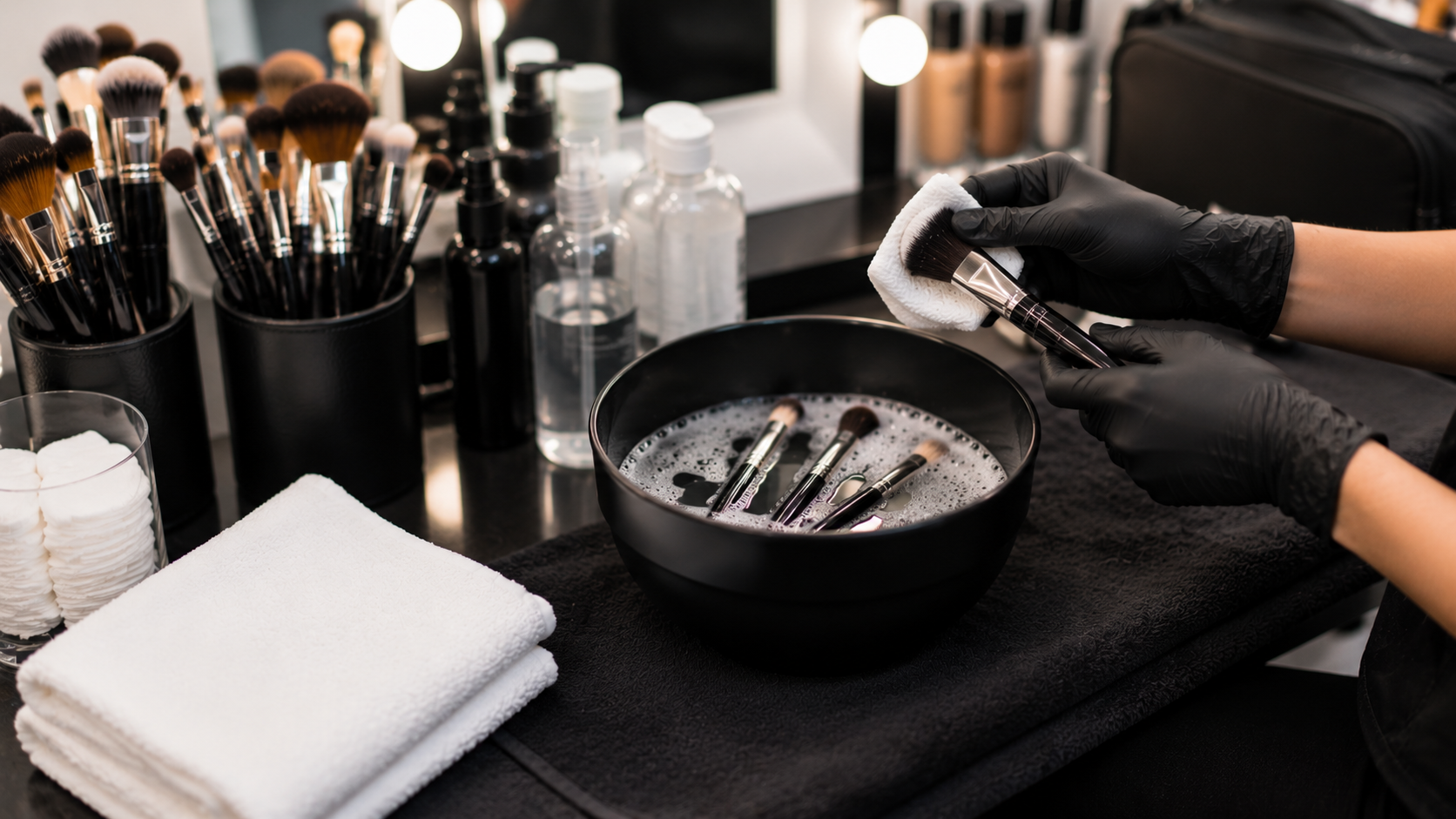
How to clean makeup brushes, professional method
If you search for how to clean makeup brushes professional, the answer is not simply “wash them sometimes”. A working artist needs both a daily system and a deep cleaning routine.
Between clients
Between clients, remove visible product from brushes and use a professional brush cleaner suitable for quick use. Let the brush dry fully before using it again. However, if a brush has touched a client with a visible skin or eye concern, take it out of rotation and deep clean it properly.
For busy environments, such as bridal mornings or backstage fashion, keep separate containers for clean and used brushes. This avoids confusion and stops you from accidentally reusing a contaminated tool.
After each job
After a job, deep wash brushes with a suitable cleanser. Work the product out gently, rinse thoroughly, squeeze out excess water and dry brushes flat or angled down so water does not run into the ferrule.
Do not pack damp brushes into a closed bag. Moisture, warmth and residue create the wrong environment for a professional kit. Instead, let brushes dry fully before storing them.
For sponges and puffs
Sponges can be difficult to keep hygienic because they absorb product and moisture. Therefore, many professional artists use disposable sponges or assign a sponge to one client only.
Powder puffs should also be client specific. If you use a puff on one face, do not press it into loose powder and then use it on another client. Instead, decant powder into a clean palette or tissue first.
Makeup kit hygiene for products
Your tools matter, but your products matter just as much. Cross-contamination usually happens when artists dip directly into products and then apply them to the face.
Creams, liquids and gels
For cream foundations, concealers, lipsticks and gels, use a clean spatula to decant product onto a palette. Then apply from the palette with a clean brush. This keeps the original product fresh and avoids transferring skin oils or bacteria back into the container.
Avoid pumping foundation directly onto the back of your hand unless your hands are freshly cleaned and the product will only be used on that one client. A stainless steel or disposable palette looks more professional and keeps the process cleaner.
Mascara, liner and lip products
Never use the product’s original wand on multiple clients. Use disposable mascara wands and do not double dip. Once the wand touches the client, it should not go back into the tube.
The same principle applies to lip gloss and liquid lipstick. Use a disposable applicator or decant product first. Because these products touch the mouth area, clients often notice this hygiene step immediately.
Pencils and sharpeners
Sharpen pencils before use, then sanitise where appropriate. Keep your sharpener clean as well. A dirty sharpener can undo an otherwise clean process.
Working around eyes, lips and active concerns
The eyes and lips need particular care. The NHS describes conjunctivitis as red or pink eye, and notes that conjunctivitis with sticky pus is contagious. It also advises people not to wear contact lenses until their eyes are better.
For this reason, if a client arrives with red, gritty, sticky or irritated eyes, do not apply eye makeup over the issue. This can feel awkward, especially with a bride or model on a schedule. However, it is better to handle the situation professionally than risk spreading infection or worsening the client’s discomfort.
Similarly, avoid applying lip products directly over cold sores, broken skin or active irritation. In these cases, explain your hygiene policy calmly. Clients usually respect clear boundaries when they understand they are there for safety.
Hygiene for bridal artists
Bridal work brings unique hygiene challenges. You may work in hotel rooms, homes, destination venues or busy bridal suites with several people getting ready at once. Therefore, you need a system that works outside a perfect studio.
Pack your kit so you can set up cleanly anywhere. Bring surface covers, hand sanitiser, tissues, cotton buds, disposable lip and mascara applicators, clean towels, bin bags, a small sealable bag for used tools and enough brushes for multiple faces.
Also, manage product sharing. Bridesmaids may ask to borrow lipstick, powder or mascara. However, you should avoid casual sharing from your professional kit. Instead, decant touch up products safely or recommend that clients bring their own lip product for the day.
Hygiene for fashion, editorial and SFX work
Fashion and editorial environments move quickly. Meanwhile, SFX and creative makeup may involve adhesives, pigments, blood products, latex, wax or other materials that need careful handling. HSE guidance for beauty professionals highlights ventilation, good work techniques and protective equipment for some tasks, which becomes especially relevant when artists use stronger products or work in enclosed spaces.
For fashion artists, speed should never replace cleanliness. Keep brushes separated, wipe down surfaces, decant products and keep your hands clean between models. On set, your hygiene should look effortless because your system is already built.
For SFX work, check allergies, follow manufacturer instructions and remove products safely. In addition, keep adhesives and removers away from casual handling by clients or untrained assistants.
Hygiene for travelling makeup artists
Many artists now travel for bridal clients, shoots, fashion weeks and international training. However, travel can make makeup kit hygiene harder if you do not prepare properly.
Pack liquids securely, separate clean tools from used tools and carry travel safe cleaning essentials. Keep products protected from heat where possible, especially cream products, waxes and anything that may melt, leak or separate.
If you are moving between countries or climates, review your kit before each job. Products that worked well in a cool London studio may behave differently in heat or humidity. For this reason, hygiene and performance should both guide your packing decisions.
What students should learn from day one
Good habits are easiest to build at the start. Students should treat every class, practice face and portfolio shoot as real work. That means washing hands, setting up cleanly, using disposables correctly and cleaning down after every session.
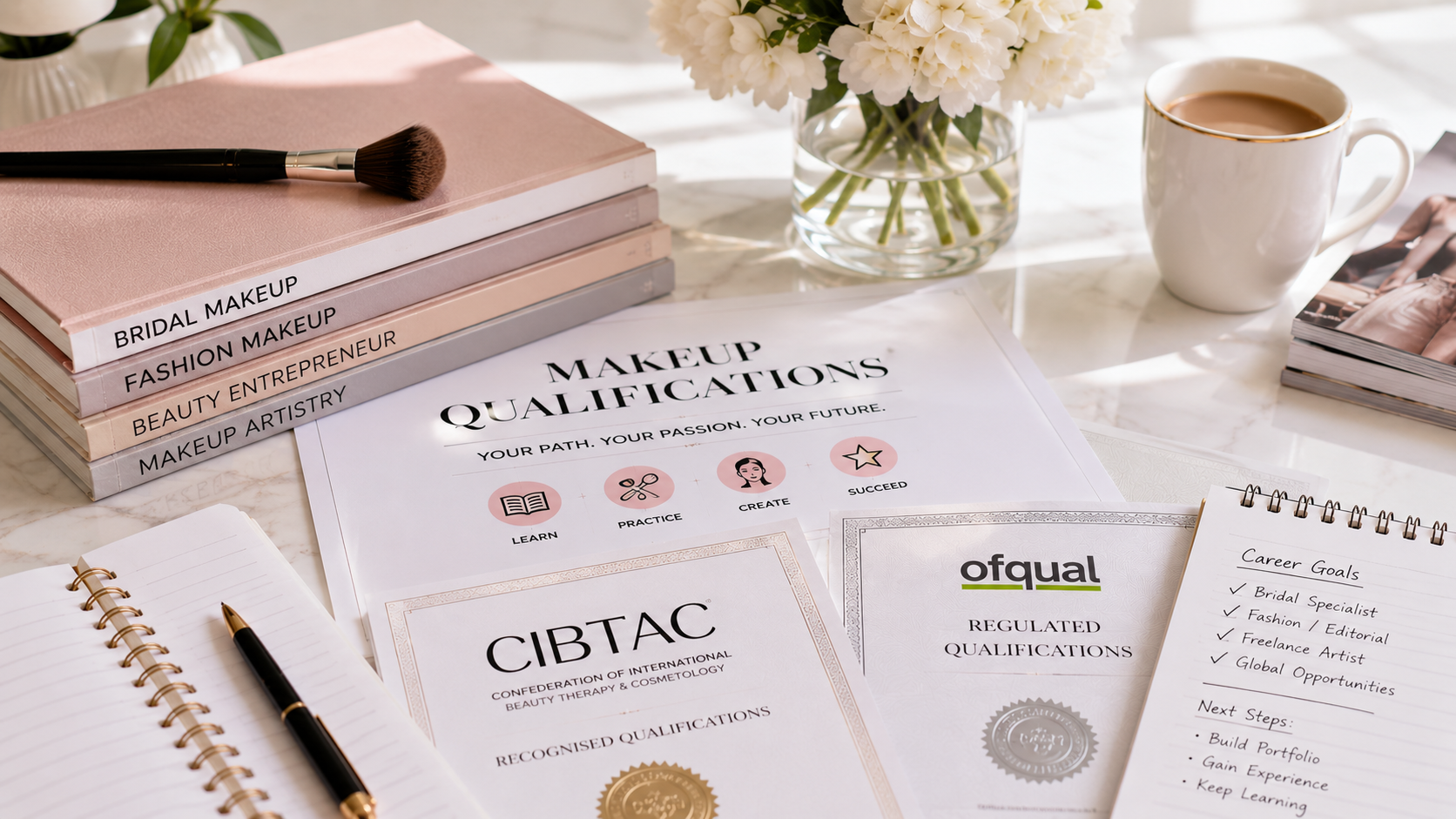
AOFM’s foundation course is designed for aspiring makeup artists starting their makeup journey, and the course description highlights fundamental makeup techniques plus tutors sharing professional industry experience. That kind of training environment is important because students need more than application steps. They need to understand how professionals behave around clients, models and teams.
In addition, AOFM’s wider academy positioning references international schools, aftercare and work placement opportunities for graduates. For students who want to work in bridal, fashion, media or travel markets, hygiene standards need to travel with them too.
A professional hygiene checklist for your kit
Use this as a working checklist before every job:
- Clean brushes, separated from used brushes
- Disposable mascara wands, lip applicators and cotton buds
- Clean spatula and palette for decanting products
- Hand sanitiser and access to hand washing where possible
- Sanitised sharpener, tweezers and lash tools
- Tissues, wipes, surface covers and small bin bags
- Clean towels or couch roll for your station
- Sealed bag or pouch for used tools
- Fresh sponges or client specific puffs
- Products checked for expiry, smell, texture and leakage
In practice, this checklist should feel automatic. If you need to think too hard about hygiene during a job, your setup is probably not organised enough yet.
Common hygiene mistakes that cost artists trust
Most hygiene mistakes are avoidable. However, they can still damage your reputation quickly.
Common mistakes include:
- Double dipping mascara or lip gloss
- Mixing clean and used brushes in one pot
- Using dirty makeup sponges
- Applying makeup over visible eye irritation
- Forgetting to clean packaging
- Blowing on brushes or palettes
- Using fingers directly from pot to face
- Ignoring product expiry dates
- Leaving dirty tissues or cotton buds on the station
- Letting clients handle products freely
These details may seem small, but they build the client’s impression of your professionalism. Ultimately, people book artists they trust.
Frequently asked questions
How often should a professional makeup artist clean brushes?
Clean brushes after every job and deep wash them before using them on another client. During busy days, use a between client brush cleaner only when the brush can dry fully and has not been used on any active skin or eye concern.
Can a makeup artist use the same products on different clients?
Yes, but only with correct hygiene. Decant creams, liquids and lip products onto a clean palette. Use disposable applicators for mascara and lip products, and never double dip.
What should every makeup artist carry for hygiene?
Every artist should carry hand sanitiser, clean tissues, cotton buds, disposables, brush cleaner, a spatula, a palette, surface covers, a sharpener, wipes and a separate pouch for used tools.
Is makeup artist hygiene important for bridal clients?
Yes, bridal clients notice hygiene because the appointment feels personal and high pressure. A clean kit reassures the bride that you are prepared, organised and professional.
Final thought
Makeup artist hygiene is not separate from artistry. It is part of the service, part of the client experience and part of what makes your work bookable.
Clean tools, careful product handling and a disciplined setup tell clients that you respect their skin, their time and their trust. Whether you are training, building a bridal business, working backstage or travelling internationally, your hygiene standards should be as polished as your final look.
 Live Chat
