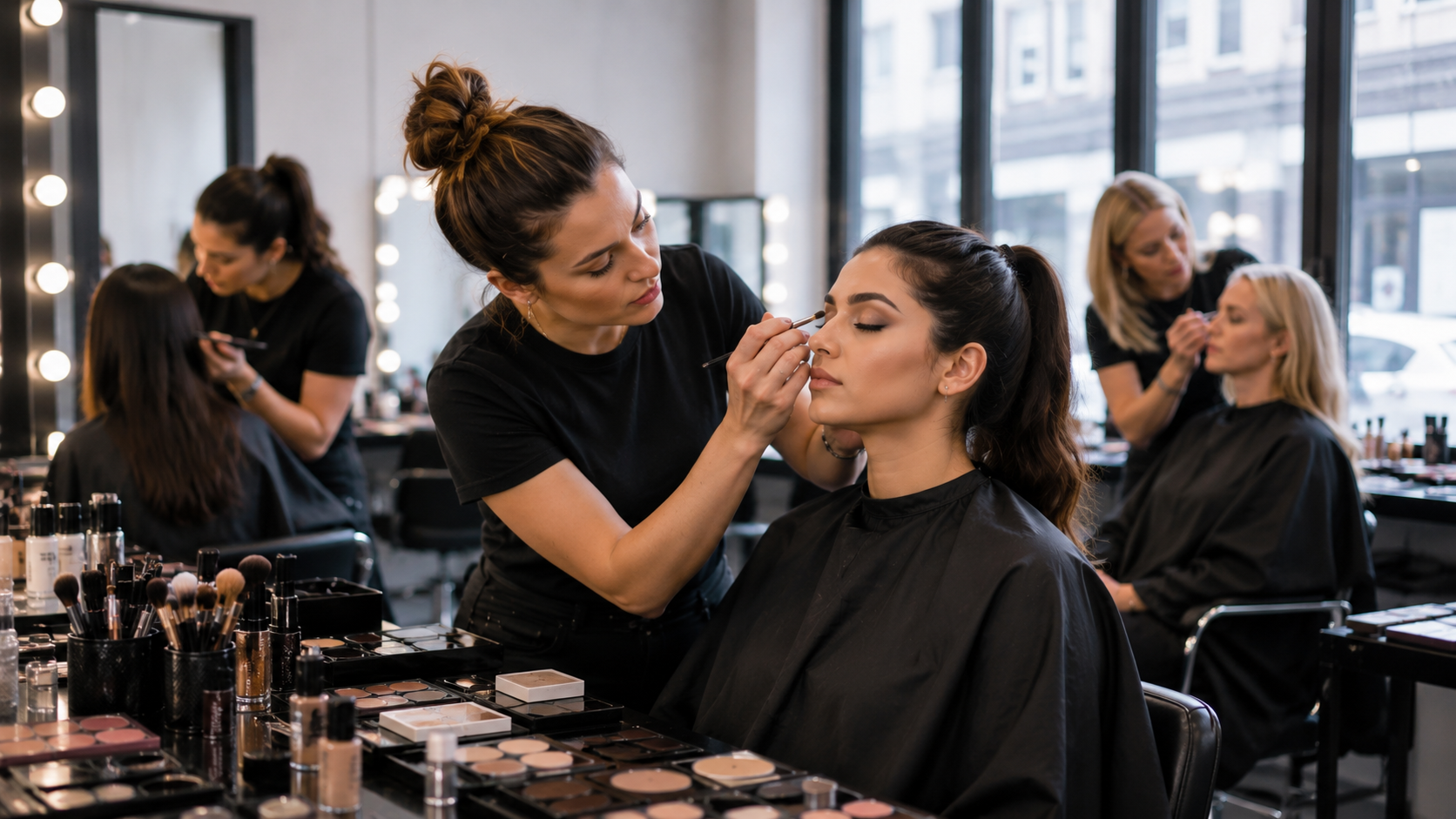
Choosing between makeup courses London can feel overwhelming at first. One programme might promise fashion and editorial training, another may focus on bridal clients, while a specialist option may introduce SFX, casualty makeup or screen-based techniques. The right choice depends on what kind of artist you want to become, how quickly you want to work professionally, and which environment you want your portfolio to speak to.
London is one of the strongest places to train because it exposes artists to several industries at once. Fashion, beauty, bridal, theatre, film, television, e-commerce, music and events all sit close together. As a result, the best makeup school London options do not only teach application. They help you understand where your skills fit commercially.
AOFM’s London courses reflect this wider industry mix, with training across makeup, hairstyling, bridal styling, special effects and creative makeup. That matters because modern artists rarely build careers from one skill alone. They build them from versatility, discipline and a portfolio that shows real range.
Start with your career goal
Before comparing course lengths or certificates, ask one question: what do you want your work to be hired for?
If your goal is fashion, you need a programme that teaches speed, creative interpretation and editorial finishing. If your goal is bridal, you need client consultation, longevity, soft glam, hair awareness and confidence across different skin tones. However, if you want screen, theatre or prosthetics, you need a more technical pathway that introduces health, safety, continuity and materials.
A strong professional makeup course London should help you answer that question honestly. It should also give you enough foundation training to change direction later, because many artists move between bridal, fashion, private clients and commercial work throughout their careers.
If you want fashion and editorial makeup
Fashion makeup in London is not just about bold looks. It is about understanding a brief, working quickly and creating makeup that supports the clothes, model, lighting and creative direction.
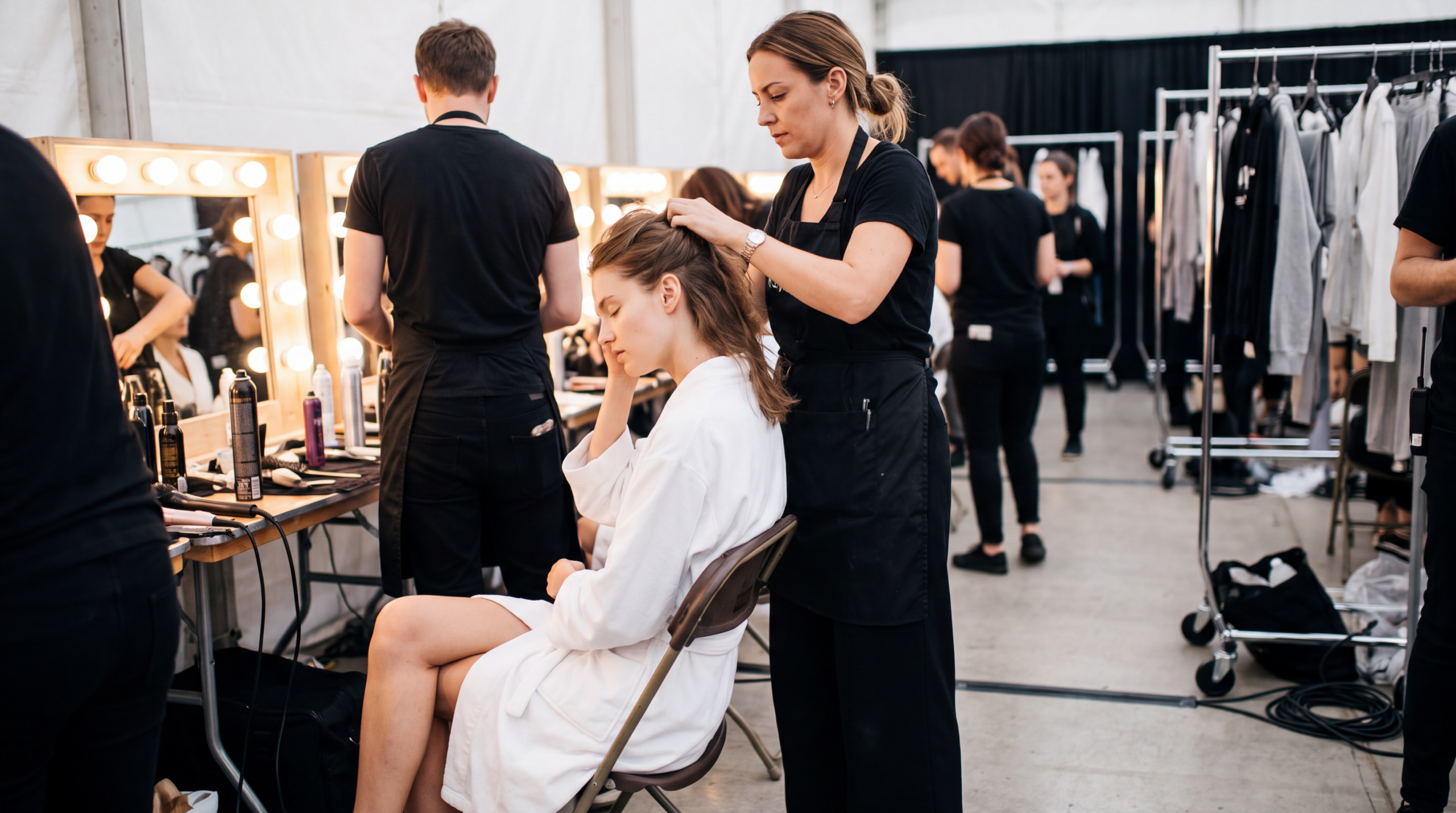
London’s fashion industry expects professionalism. The British Fashion Council states that London Fashion Week accreditation is reserved for industry professionals attending in a work capacity, such as press, buyers, stylists, photographers and broadcasters. In practice, this means backstage and fashion environments are professional workspaces, not casual observation spaces.
What fashion training should include
A fashion-focused course should teach:
- Clean skin that reads well under studio and runway lighting
- Editorial eye, lip and texture work
- Photographic makeup for colour and black-and-white imagery
- Creative direction, moodboards and references
- Working to call times, face charts and team instructions
- Portfolio shoot preparation
In addition, you should learn how to assist. Assisting is one of the most important early-career skills in fashion. You need to know when to step in, when to step back, how to prep a station and how to keep the lead artist’s rhythm moving.
AOFM’s wider course information mentions hands-on experience, major fashion events including London Fashion Week, and work placements for qualifying students. This is important because fashion training only becomes meaningful when students understand the pace and etiquette of real backstage work.
If you want bridal makeup
A bridal makeup course London needs a different focus. Bridal clients are not hiring experimentation first. They are hiring trust, polish and consistency. Therefore, your training needs to go beyond creating a pretty look in class.
In bridal, the client has to feel confident in person, on camera and often for a full day of events. The makeup must suit the dress, hair, jewellery, venue, lighting and personality of the bride. At the same time, it has to last through emotion, movement, photography and close contact.
What bridal training should include
A strong bridal pathway should teach:
- Skin preparation for different skin types
- Foundation matching and undertone correction
- Soft glam, classic bridal, modern bridal and deeper glam looks
- False lash application and eye shape adaptation
- Mature skin techniques
- Asian and Arabic bridal influences where relevant
- Trial consultations and client communication
- Basic hair styling or collaboration with hairstylists
AOFM’s London course information states that its courses include bridal styling, hairstyling, special effects and creative makeup. Meanwhile, its foundation course content includes bridal makeup, glowing skin, false lashes, undertones, mature skin and photography lighting. That range is useful because bridal artists need both beauty technique and practical client awareness.
If you want SFX, screen or theatre makeup
An SFX makeup course London is a very different decision from a beauty or bridal course. SFX is not only about making dramatic cuts or bruises. It is about believable design, safe material use, continuity and working within a production process.
ScreenSkills describes hair and makeup artists in scripted film and TV as professionals who may need skills across modern and period hair and makeup, wigs, casualty work and prosthetics. It also highlights continuity, fittings, documentation, set bags and standby work as part of the role.
What SFX training should include
A good SFX pathway should teach:
- Health, safety and hygiene
- Casualty effects such as bruises, cuts, grazes and burns
- Wax, latex and gelatine basics
- Blood, sweat and tear effects
- Straight makeup for HD film and TV
- On-set etiquette
- Continuity notes and photographs
- Safe product removal and skin awareness
AOFM’s creative special effects course content includes health, safety and hygiene, on-set etiquette, day and straight makeup for HD film and TV, plus basic casualty techniques using wax, latex and gelatine. It also includes realistic casualty effects such as cuts, bruises, grazes, burns, split lips, blood, sweat and tears.
For this reason, SFX training suits students who enjoy detail, structure and problem-solving. It can also support artists who want to work across music videos, theatre, editorial concepts or Halloween and event work.
Course length, how intensive should you go?
The right course length depends on your starting point and your goal.
A short course can be useful if you want to test the industry, improve a specific skill or add one area to an existing portfolio. For example, a six-day foundation course may suit beginners who want structured beauty training before deciding whether to specialise.
However, if you want to move towards professional freelance work, a longer programme often gives better range. AOFM’s 18-day professional hair and makeup course includes foundation makeup, advanced makeup artistry and portfolio building. Its longer complete programmes cover hair styling, beauty, pro bridal, fashion, editorial, photographic, conceptual and avant-garde makeup, airbrush, Asian and Arabic bridal, SFX and media makeup.
Ultimately, the question is not simply “how long is the course?” It is “what will I be able to do confidently at the end?”
Accreditation, certificates and what they really mean
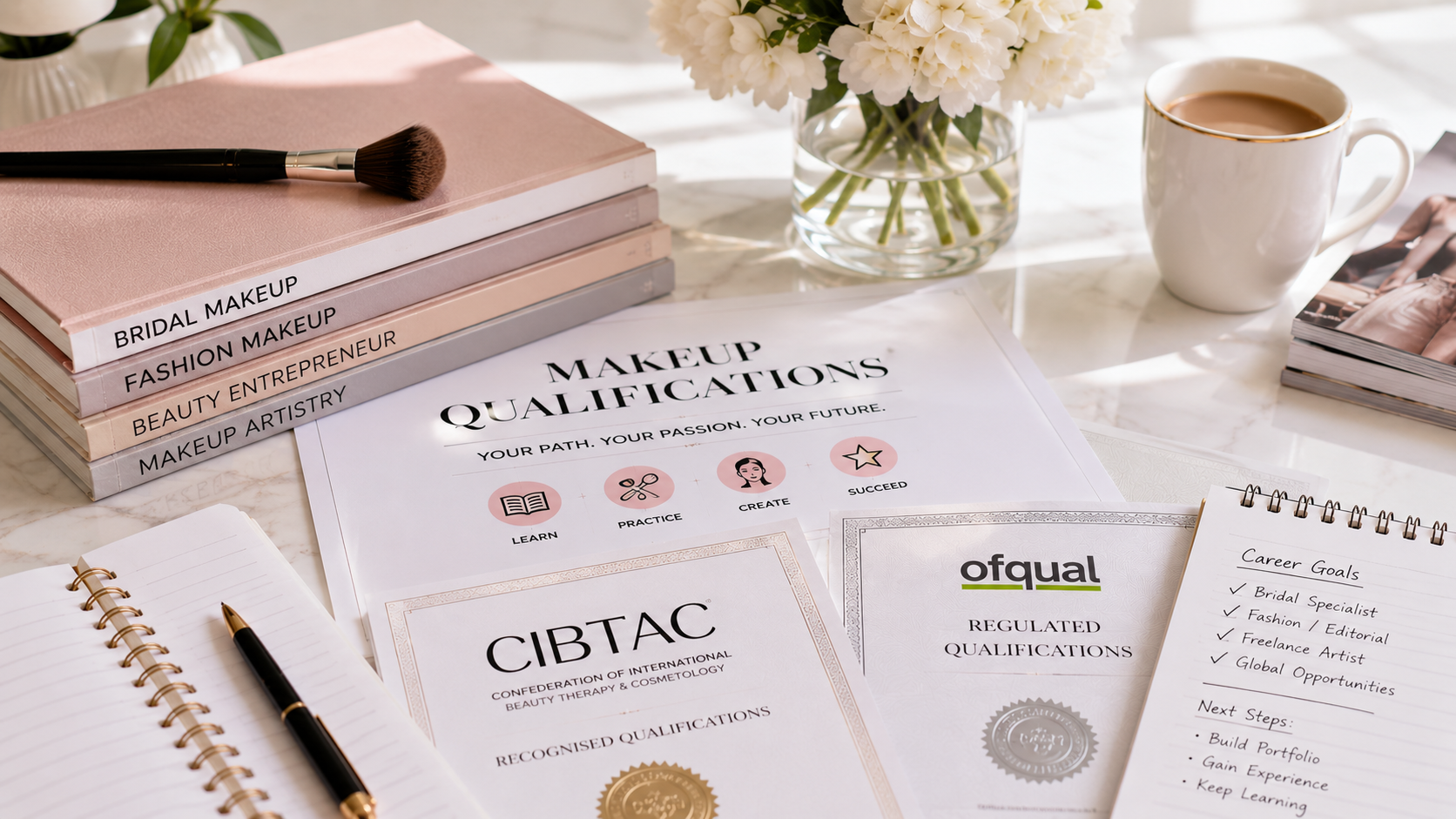
Certificates can support your credibility, especially when applying for jobs, insurance, further training or international opportunities. However, a certificate alone will not get you booked. Clients and employers want to see your technique, attitude and portfolio.
Habia is recognised by government as the standard setting body for the hair, beauty, nails, spa and aesthetic sectors. This matters because professional beauty education should take hygiene, safety and industry standards seriously, not treat them as optional extras.
When comparing makeup courses London, look for clear information about:
- What qualification or accreditation is included
- What practical skills are assessed
- Whether hygiene and safety are taught properly
- Whether the course includes portfolio work
- Whether tutors are active industry professionals
- Whether aftercare or graduate support exists
AOFM states that its tutors are working freelance makeup artists who teach as guest lecturers, bringing current skills from magazines, editorials, celebrities, designers and Fashion Weeks. That approach is valuable because students learn from artists who understand the realities of modern freelance work.
Portfolio building should be part of the decision
Your portfolio is often the first thing a client, agency, bride or creative team sees. Therefore, any serious professional makeup course London should help you build work that looks relevant to your chosen market.
For fashion, this may mean editorial beauty, runway-inspired looks and creative close-ups. For bridal, it may mean natural light portraits, soft glam, hair and makeup combinations, and diverse skin tones. For SFX, it may mean clean, well-lit documentation of casualty work, character design or prosthetic effects.
AOFM’s advanced and longer course content references portfolio-building photoshoots, including beauty, fashion and creative special FX. That is important because students need images that show not only what they practised, but what they can present professionally after training.
Do you need hair as well as makeup?
For many artists, yes. You do not have to become a full-time hairstylist, but understanding hair makes you more useful.
In bridal, hair and makeup are often booked together. In fashion, hair and makeup teams need to understand each other’s timing and visual balance. In screen, hair continuity matters just as much as makeup continuity. As a result, even basic hairstyling knowledge can help you work more smoothly on set, backstage or with private clients.
This is why a makeup school London that includes hairstyling can be a stronger choice for career-focused students. It gives you more ways to assist, more confidence with full looks, and more commercial flexibility.
How to compare London makeup courses properly
When you are narrowing your options, avoid choosing based on price or course length alone. Instead, compare the course against the job you want.
Ask yourself:
- Does the course teach the area I want, fashion, bridal, SFX or all three?
- Will I learn on real faces, not just watch demonstrations?
- Does the curriculum include hygiene, consultation and professional behaviour?
- Will I build images for my portfolio?
- Are the tutors working artists with current industry experience?
- Is there support after graduation?
- Can the training help me work locally and internationally?
In practice, the strongest choice is usually the course that combines technique, confidence and career context. AOFM says qualifying students can access more than 700 work placements, plus free aftercare classes and workshops. That kind of structure can make a difference because learning does not stop when the classroom finishes.
Frequently asked questions
What is the best makeup course in London for beginners?
The best beginner course is one that teaches skin preparation, hygiene, foundation matching, colour theory, bridal, photographic makeup and basic professional technique. It should also give you enough practical time to build confidence on different faces.
Should I choose fashion, bridal or SFX first?
Choose based on your career goal. If you want backstage or editorial work, start with fashion and photographic makeup. If you want private clients and weddings, bridal is the stronger route. If you want film, theatre, casualty or character work, SFX is the best specialist path.
Is a professional makeup course London worth it?
Yes, if the course teaches practical skills, industry behaviour and portfolio development. London gives students access to fashion, beauty, bridal, theatre and screen influences, which can make training more versatile.
Can I train in more than one area?
Yes, and many artists should. Fashion improves your creative eye, bridal improves your client service and longevity skills, while SFX improves precision, patience and technical discipline. Together, those skills can make you more adaptable.
Final thought
Choosing between makeup courses London is not about finding the most impressive course title. It is about finding the programme that matches your goals and teaches the skills you will actually use.
If you want fashion, look for editorial training, backstage discipline and portfolio shoots. If you want bridal, prioritise skin, longevity, consultation, hair awareness and client confidence. If you want SFX, choose training that takes safety, materials, continuity and screen realism seriously.
The best training gives you more than techniques. It gives you professional judgement. That is why AOFM feels like a natural fit for students who want London training with a global outlook. Its course range reflects the reality of the industry, where artists often move between bridal clients, fashion sets, creative briefs, SFX work and international opportunities. Ultimately, the right course should not just teach you how to apply makeup. It should help you understand where your artistry can take you next.
 Live Chat
